.webp)
.webp)
Who We Are
Working for equity, justice, and dignity since 1985
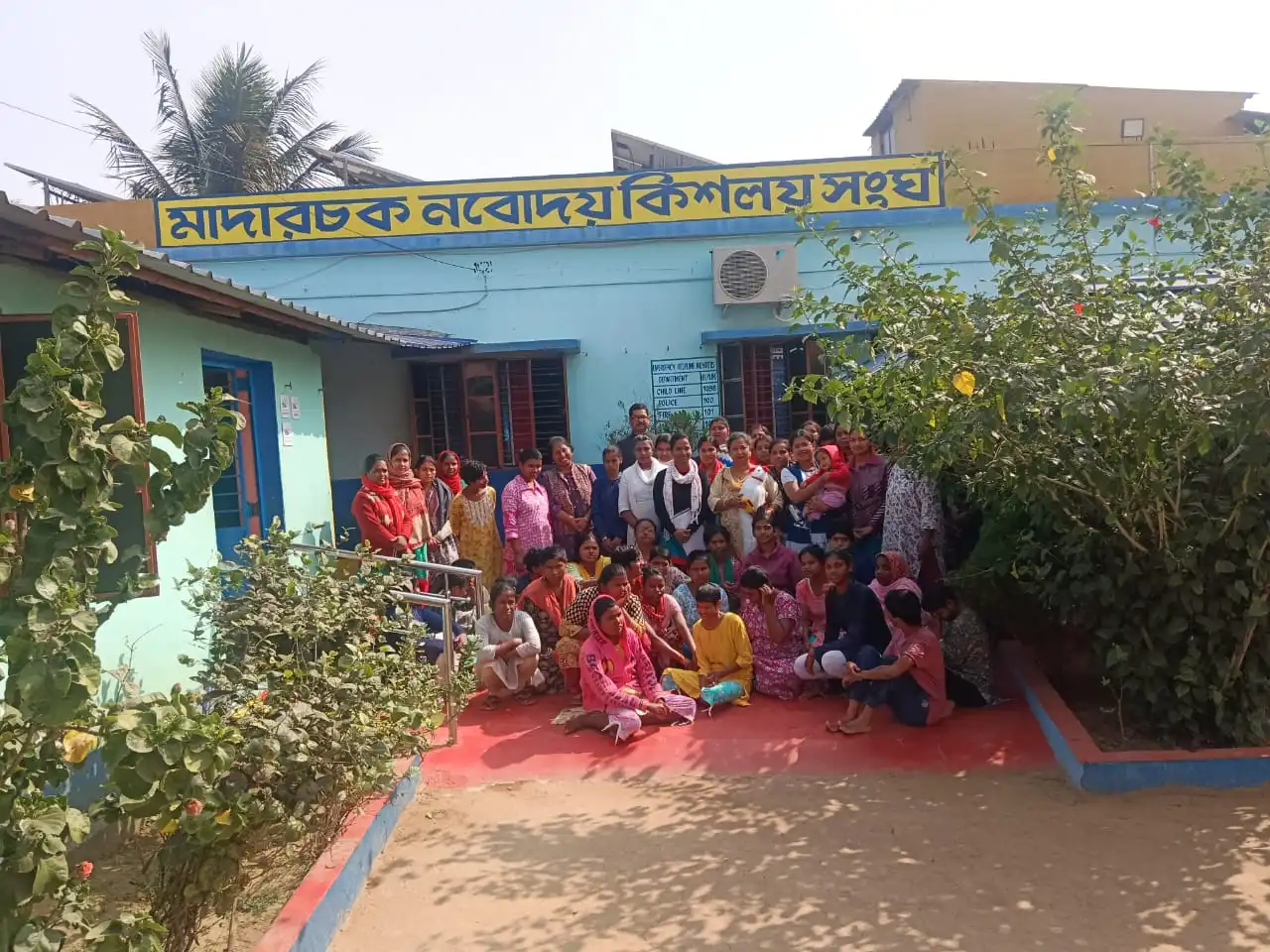
Motherchak Naboday Kishalay Sangha is a community-based non-profit organisation committed to protecting vulnerable children and empowering disadvantaged communities.
Working primarily in rural and tribal regions, the organisation focuses on child protection, rehabilitation, women empowerment, education and community development.
Through decades of dedicated service, the organisation has become a trusted institution working for social justice and human dignity.
Origin & Genesis
Motherchak Naboday Kishalay Sangha (MNKS) was founded in the year 1985 at Motherchak Village by a young, agile, and educated social worker, Mr. Bijay Krishna Raj, along with his fellow youths. The organization was established to serve poor and marginalized communities living in remote and tribal regions.
The tribal and Dalit people of the area had long been deprived of basic rights and development. To bring light to this obscure land and to restore dignity, justice, and equality, MNKS began its journey with deep commitment.
Even under difficult socio-political conditions, the organization has continued to uphold its philosophy of compassion, equity, and service to humanity.
Our History
A journey of service, justice, and community development
1985 – Foundation
Motherchak Naboday Kishalay Sangha (MNKS) was founded at Motherchak Village by Mr. Bijay Krishna Raj to serve poor, tribal, and marginalized communities.
Early Years
The organization focused on hunger relief, awareness, and protection of tribal and Dalit communities from exploitation and injustice.
Growth Phase
MNKS expanded into education, social awareness, and community empowerment initiatives for sustainable development.
Present
MNKS continues to work for equity, justice, dignity, and inclusive development despite challenging socio-political conditions.
Mission & Vision
Our purpose and our dream for the future
Our Mission
To support vulnerable individuals through education, rehabilitation, skill development and social protection, ensuring dignity and opportunity for all.
Our Vision
To build a society where every child is protected, every woman is empowered, and every community is self-reliant.
Our Objectives
Guiding principles that define our purpose and actions
- To promote quality education, literacy, and social awareness among underprivileged children, tribal populations, and marginalized communities, enabling them to build a better and more informed future.
- To prevent social exploitation, discrimination, and injustice by advocating for human rights, equality, and dignity of Dalit and tribal communities through awareness and collective action.
- To improve health, nutrition, hygiene, and access to basic services in rural and remote areas by organizing health initiatives, support programs, and community-based interventions.
- To encourage sustainable livelihoods, self-employment, and self-reliance through skill development, training programs, and community participation aimed at long-term economic stability.
- To build an inclusive and equitable society based on justice, compassion, transparency, and democratic values where every individual can live with dignity and equal opportunity.
Our Impact & Achievements
Changing lives, restoring families, and empowering communities—one child at a time.
40+ Years
Of continuous service and commitment towards social justice and community development.
Communities Served
Tribal, Dalit, and marginalized communities across rural and underserved regions.
Key Focus Areas
Education, health, social awareness, justice, and sustainable livelihood development.
Our Core Values
The principles that guide our work and decisions
Equity
Ensuring fairness, inclusion, and equal opportunity for all.
Justice
Standing against exploitation and protecting human dignity.
Transparency
Maintaining honesty, accountability, and ethical practices.
Community Participation
Encouraging collective action and people-led development.
Be a Part of the Change
Your support can help us continue our mission of justice, dignity, and sustainable development for marginalized communities.